SW7 bulky waste rules South Kensington council pickup options
Posted on 31/07/2026

SW7 Bulky Waste Rules South Kensington Council Pickup Options: A Practical Local Guide
If you live, work, or manage a property in SW7, bulky waste can become awkward fast. One old mattress in a hallway, a broken wardrobe in a fourth-floor flat, or a pile of renovation offcuts near the lift can suddenly block access and create a real headache. The good news is that SW7 bulky waste rules South Kensington council pickup options are manageable once you understand what counts as bulky waste, what the council usually expects, and when a private clearance service is the smarter route.
This guide walks you through the practical side of bulky item disposal in South Kensington: the likely council route, the common restrictions, how to prepare items properly, and how to avoid delay, surprise costs, or a wasted booking. If you want a clearer picture of local rubbish support more generally, you may also find our services overview useful alongside this article.
Why SW7 bulky waste rules South Kensington council pickup options Matter
Bulky waste is one of those household issues that looks simple until you actually try to get rid of it. In SW7, where flats, mansion blocks, basement conversions, and narrow shared entrances are common, the rules matter because they shape what can be collected, how it should be presented, and whether you can move it out without upsetting neighbours or breaching local waste expectations.
At a practical level, knowing your options saves time. It also helps you avoid the classic mistake of leaving a sofa in the communal hall "for the council to take". That might sound harmless on a quiet Sunday morning, but in real life it can create access problems, complaints, or a missed pickup. Let's face it, no one wants that email from the managing agent.
There is also a cost angle. If you only need to remove one or two items, a proper council collection may be enough. If you have several bulky pieces, awkward stair access, or mixed waste from a move or refurb, a private clearance route can be more efficient. The key is choosing the right method for the job rather than guessing.
For readers dealing with wider clearance needs around a move or refurbishment, our article on common flat access problems for South Kensington clearance explains why access often becomes the deciding factor rather than the waste itself.
How SW7 bulky waste rules South Kensington council pickup options Work
In plain English, bulky waste is any household item too large for a standard bin collection. Think mattresses, bed frames, armchairs, wardrobes, white goods, tables, and similar items. The precise eligibility and collection process can vary by local authority service, so it is always wise to check the current rules before putting items out.
In South Kensington, the council pickup route usually works best when you have a small number of manageable items, clear access, and enough time to book in advance. Many council services expect the waste to be presented in a specific way and at a specified location. That could mean near the property entrance, on the kerbside, or another agreed point. If you are in a building with shared corridors or a strict porterage arrangement, those practical details matter more than people expect.
A private collection is different. A clearance team will normally collect from inside the property, from upper floors, from a basement, or from awkward spaces where council-style pickup would be difficult. That is often why people in SW7 choose private removal after a failed attempt to organise a council pickup. It is not always about urgency; sometimes it is simply about stairs, parking, and time.
To get a broader view of what rubbish and clearance services can cover locally, see our rubbish clearance in South Kensington page and the related waste removal South Kensington service information.
Simple rule of thumb: if the item is easy to move, the load is small, and timing is flexible, council pickup may suit you. If access is difficult, the waste is mixed, or you need the space cleared quickly, a private collection is often the calmer option.
Key Benefits and Practical Advantages
Understanding the local bulky waste process is not just about compliance. It gives you better control over your space, your time, and your budget. That matters in South Kensington, where many homes are compact and day-to-day convenience is hard won.
- Less clutter at home: bulky items can dominate a room faster than you think, especially in smaller flats.
- Cleaner shared access: arranging the right pickup reduces hall and stairway obstruction.
- Fewer delays: knowing whether council pickup or private removal suits the load helps you avoid rebooking.
- More predictable timing: a good plan stops you from living with unwanted furniture for another week or two.
- Better recycling outcomes: some items can be separated for reuse or recycling where appropriate.
There is also a less obvious benefit: confidence. Once you know the basic rules, you stop second-guessing every item. Can the broken chest of drawers go out? Does the mattress need wrapping? Should the old desk be dismantled first? Those small uncertainties can eat up time in the evening when you are already tired.
If sustainability matters to you, it is worth reviewing the site's recycling and sustainability approach. For many residents, that sits nicely alongside a desire to avoid unnecessary landfill.
Who This Is For and When It Makes Sense
This topic is relevant to more people than you might first think. In SW7, bulky waste rules and pickup options matter for homeowners, tenants, landlords, estate agents, facilities teams, and anyone turning over a flat between occupiers.
Typical situations where it applies
- End-of-tenancy clear-outs
- Replacing old furniture
- Student move-outs or short-let resets
- House sales and pre-sale presentation
- Office refreshes and storage room clearances
- Post-renovation disposal of oversized items
Imagine a landlord in a first-floor flat near Gloucester Road. The previous tenant has left behind a sagging mattress, a dismantled shelving unit, and a broken office chair. In that case, the real issue is not only the waste type. It is how quickly the property can be made ready again without blocking the staircase or annoying the neighbours. That is why the right pickup option matters.
For property owners and agents managing turnover, our article on successful property transactions in Kensington gives useful context on how clean presentation affects the wider process.
It also makes sense for anyone living in a building with limited lift access. If the item is too large for safe manual handling through tight corners, the "just carry it down later" approach tends to fall apart quickly. Truth be told, bulky items rarely respect the plans we make for them.
Step-by-Step Guidance
Here is a practical way to handle bulky waste in SW7 without overcomplicating it.
- Identify every bulky item. List what needs removing and note whether anything is broken down already.
- Check whether the items are reusable, recyclable, or general bulky waste. Some pieces may be better separated before collection.
- Measure access. Look at stair width, hallway turns, lift size, and any parking restrictions.
- Decide whether council pickup is realistic. If you have a small number of items and access is straightforward, it may suit you.
- Choose a private clearance option if the job is bigger or more awkward. This is often the quicker route for flats, offices, and mixed loads.
- Prepare items properly. Remove loose contents, secure sharp edges, and dismantle items only if it makes them easier to move safely.
- Book at the right time. If you know a move-out date, leave a bit of breathing room. Last-minute arrangements are where avoidable stress creeps in.
- Keep the access path clear. That includes corridors, doorways, and any shared entrance point.
- Confirm the collection point. Make sure everyone in the property knows where items will be left and when.
If your bulky waste sits alongside stair or access difficulties, this related guide on bulky item stair removals in South Kensington is especially useful. It deals with the practical side of moving large items through real buildings, not ideal ones.
And if timing is tight, the guide to same-day rubbish removal in the South Kensington station area may help you judge when urgent collection makes sense.
Expert Tips for Better Results
A few small decisions make a surprisingly big difference. These are the things that tend to go wrong in real life, not in neat theoretical checklists.
- Take photos before you book. One clear set of photos helps you size up the job and avoid confusion later.
- Separate metal, wood, and mixed materials where practical. It can make handling easier and may improve recycling outcomes.
- Don't block the communal route. Even if the items are only there for a short time, keep them in the least disruptive spot.
- Check building rules as well as council rules. In many SW7 properties, the freeholder, managing agent, or porter has their own expectations.
- Plan around parking and loading. A collection can be delayed simply because a vehicle cannot stop safely.
A small but useful habit: put a sticky note or a simple list beside the items. It sounds a bit old-fashioned, but when you are managing a move or clear-out, lists beat memory almost every time. Especially on a Friday afternoon, when everything feels a bit louder than it should.
If you are comparing service types, the article on hidden costs to avoid in South Kensington rubbish removal is worth a read before you confirm anything.

Common Mistakes to Avoid
Bulky waste collection problems usually come from avoidable assumptions. The item is too large, the access is tighter than expected, or the pickup window does not fit the reality of the building. Quite often, it is a mixture of all three.
- Leaving items in the wrong place. Council collections and private removals both depend on correct presentation.
- Assuming every bulky item is accepted. Some items need special handling, especially if they are contaminated or awkwardly broken.
- Forgetting access constraints. A second-floor flat with no lift is a different job from a ground-floor house.
- Booking too late. The most frustrating bulky waste situation is the one that turns into a property handover deadline.
- Mixing bulky waste with builders' debris. If you have renovation waste, it may need a different approach entirely.
Renovation jobs deserve their own plan. If your bulky waste is part of a refurbishment or strip-out, see builders waste disposal in South Kensington for a more suitable route.
One more thing. Do not assume a nice tidy pile means an easy job. A wardrobe can look simple until you try to turn it through a narrow landing. The last metre is often the difficult bit.
Tools, Resources and Recommendations
You do not need complicated equipment to deal with bulky waste, but a few basics help a lot.
Useful items to have ready
- Measuring tape for doors, hallways, and lifts
- Heavy-duty gloves
- Strong tape or straps for dismantled parts
- Bin bags or boxes for loose contents
- Label stickers or masking tape
- Phone photos of items and access points
For commercial or mixed-use spaces, it can help to keep a simple access note by the entrance: loading point, lift restrictions, and contact person. It sounds minor, but that sort of note saves time when someone new is handling the job at short notice.
If you are still working out which service line matches your situation, the house clearance South Kensington page is useful for full-property jobs, while office clearance South Kensington is a better fit for desks, chairs, and general workplace furniture. For smaller mixed loads, garden waste removal South Kensington can also be relevant if the bulky items are part of an outdoor cleanup rather than an indoor clear-out.
Law, Compliance, Standards, or Best Practice
When people talk about bulky waste rules, they often mean more than one thing at once. There are council collection rules, building rules, and the broader legal duty to ensure waste is handled properly. You do not need to become a compliance expert overnight, but a few principles are worth keeping in mind.
First, waste should not be abandoned in communal areas, pavements, or parking spaces without the correct arrangement. That can create nuisance and, depending on the circumstances, expose the resident or property manager to complaints or enforcement issues.
Second, if you are using a clearance provider, it is sensible to check that they operate safely and responsibly. That means proper lifting practices, suitable vehicles, and sensible handling of different waste streams. If the job involves stairs or awkward furniture, safety matters more than speed, even if everyone is in a hurry.
Third, mixed waste should be handled carefully. A mattress, for example, is not the same as timber offcuts or office IT equipment. Keeping waste separated where practical helps with processing and reduces confusion at the point of collection.
For a more detailed local perspective on byelaws, permits, and enforcement concerns, you can read South Kensington council rubbish rules, permits and fines. It is a helpful companion piece if you are worried about what happens when things are not set out correctly.
Also worth noting: if you are arranging a clearance in a building with accessibility needs, review the site's accessibility statement to understand the service approach more clearly.
Options, Methods, or Comparison Table
Most people in SW7 are choosing between two broad approaches: council pickup or private bulky item removal. The right choice depends on timing, quantity, access, and how much coordination you want to do yourself.
| Option | Best for | Pros | Trade-offs |
|---|---|---|---|
| Council bulky waste pickup | Small number of standard household items with straightforward access | Usually cost-conscious, simple for low-volume clear-outs | Often less flexible, may require careful presentation, not ideal for awkward access |
| Private bulky item collection | Flats, stairs, mixed loads, urgent jobs, or multiple large items | More flexible, faster, can collect from inside the property | Can cost more, depends on the provider and job size |
| Full house or office clearance | Moves, refurbishments, estate changes, and larger property resets | Best for bigger jobs, handles a broader range of waste | More involved than a simple pickup, needs good planning |
There is no one-size-fits-all answer here. A single broken sofa in a ground-floor property may suit a simple pickup. A two-bedroom flat on the third floor with a mix of furniture and bags of odds and ends probably does not. The building decides more than people expect.
Case Study or Real-World Example
Here is a realistic SW7 scenario. A tenant is leaving a flat near Exhibition Road on a Thursday morning. The flat contains an old mattress, a dismantled wardrobe, and a small sideboard. The lift is out of service, the stairwell has a tight turn, and the building manager wants the communal entrance kept clear.
At first, the tenant thinks a council pickup might solve it. But once the access issues are taken into account, the simpler choice is a private bulky waste collection that can remove the items from inside the flat, carry them down carefully, and complete the job in one visit. That avoids leaving furniture in the hall for a day or more and reduces the risk of upsetting neighbours.
Now compare that with a resident in a ground-floor apartment who only needs one chair and a bedside cabinet removed. In that case, council pickup could be the more sensible route if the timing fits and the items can be presented properly. Different problem, different answer.
We have seen that pattern repeatedly in South Kensington. The most efficient option is rarely the flashiest one; it is usually the one that matches the building and the schedule. Simple, really.
If you want more local context around typical collection areas, the guides on SW7 rubbish clearance near Gloucester Road and South Kensington Exhibition Road rubbish removal are both handy reading.
Practical Checklist
Use this before any bulky waste pickup in SW7.
- Confirm what items need removing
- Check whether any item needs dismantling
- Measure doors, stairs, and lift access
- Decide whether council pickup or private removal fits better
- Clear the route from the item to the exit
- Remove personal belongings from drawers, shelves, and bags
- Keep sharps and broken parts safely secured
- Confirm the collection date and time window
- Make sure building staff or neighbours are informed if needed
- Leave the agreed collection point unobstructed
Quick reassurance: if your first plan does not fit the reality of the building, that is normal. It happens all the time. Adjusting the method is not a failure; it is just good judgement.
Conclusion
Getting bulky items out of a South Kensington property should not feel like a small relocation project. Once you understand the SW7 bulky waste rules South Kensington council pickup options, the choice becomes much clearer: use council pickup for straightforward, low-volume jobs, and choose a private clearance route when access, timing, or quantity makes life harder.
The real win is not just disposal. It is making the process calm, safe, and predictable. That matters in SW7, where access can be tight, schedules are busy, and shared spaces need to stay usable. If you plan ahead, measure properly, and choose the right pickup option first time, the whole job becomes far less stressful.
For a deeper look at practical clearance support across the area, you can also explore our about us page and the broader rubbish removal guidance when you are ready.
Get a free quote today and see how much you can save.
Sometimes the best answer is the simplest one: clear the space, keep it safe, and move on with the day.
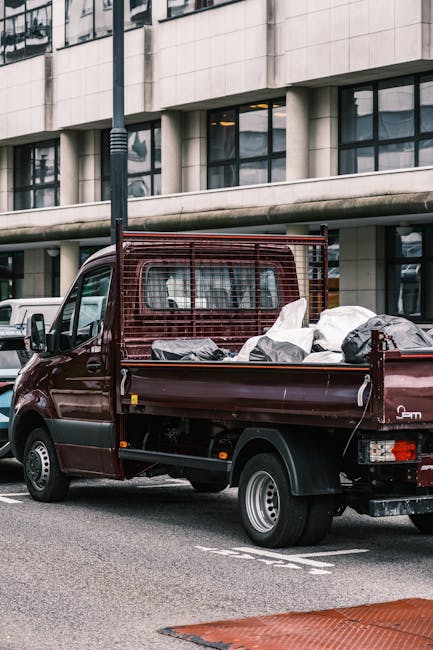
 Tipper Van - Rubbish Clearance and Waste Collection Prices in South Kensington, SW7
 Luton Van - Rubbish Clearance and Waste Collection Prices in South Kensington, SW7


